
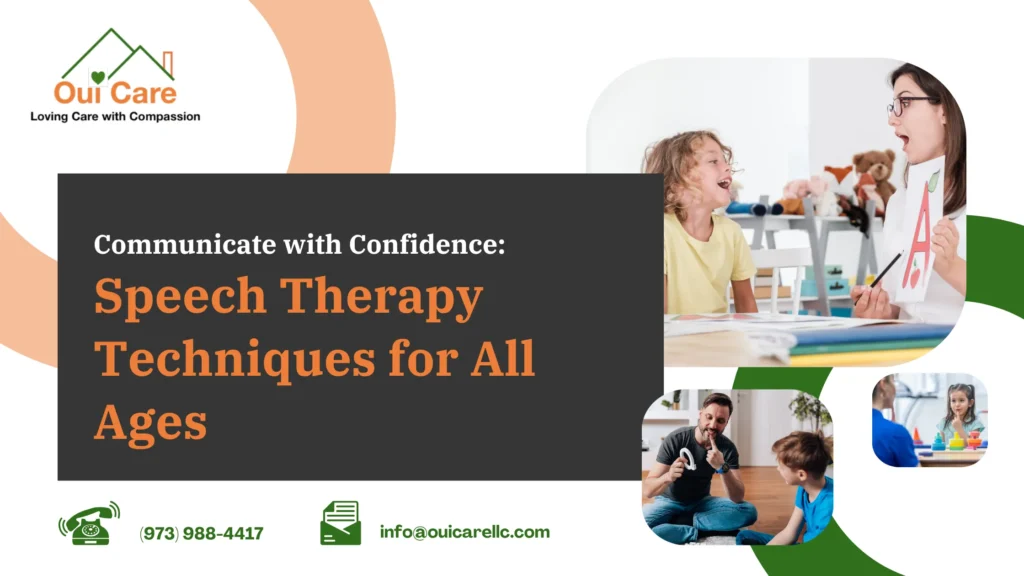
Communication shapes how we connect, express, and thrive. Yet, many people find it difficult to speak clearly or confidently. You might have noticed this in a child struggling to form words or even in adults hesitating during conversations. That’s where speech therapy techniques can truly make a difference.
Whether you’re supporting a child or working on your own speech, the right approach can completely change how you communicate and how you feel while doing it.
The True Impact of Confident Communication
Let’s be honest. Communication is more than just speaking. It’s about being understood, feeling heard, and expressing thoughts without fear.
For children, this builds social confidence early. At the same time, adults often find that strong communication influences careers, relationships, and self-esteem.
However, many people deal with speech challenges quietly. Some face delays, while others struggle with fluency or clarity. The encouraging part is that speech therapy techniques are designed to support people of all ages.
Breaking Down How Speech Therapy Works
Now that we understand its importance, let’s look at how speech therapy actually works.
At its core, speech therapy focuses on clarity, language development, and overall communication. These methods are always personalized. In other words, what works for one person may not work for another.
For example, speech therapy for children often uses playful, engaging activities. Meanwhile, speech therapy for adults focuses more on articulation, voice control, and recovery support.
Most importantly, consistency matters. Even a few minutes of daily practice can lead to noticeable improvement over time.
How Speech Therapy Helps Children Communicate Better
When it comes to children, learning must feel natural and fun. That’s why many speech therapy exercises are interactive and engaging.
- Modeling and Repetition
Children learn by imitation. Repeating words clearly helps them understand proper pronunciation. - Play-Based Learning
Games, songs, and storytelling keep children involved. As a result, learning becomes enjoyable rather than stressful. - Visual Support Techniques
Pictures, gestures, and cues help children connect words to meaning. - Encouragement and Reinforcement
Positive feedback builds confidence and motivates continued progress.
Over time, these speech therapy techniques strengthen both language skills and confidence in social settings.
Ways Adults Can Improve Speech Clarity at Home
Adults often face different communication challenges. Some may be recovering from medical conditions, while others simply want to refine their speaking abilities.
The good news is that speech therapy for adults offers practical solutions that can be used daily.
- Controlled Breathing
Proper breathing supports steady, clear speech and reduces anxiety. - Slowing Down Speech
Speaking at a slower pace improves clarity and allows better word formation. - Mirror-Based Practice
Observing mouth movements helps identify areas for improvement. - Everyday Conversation Practice
Using techniques in real-life situations builds lasting confidence.
In many cases, these approaches help individuals improve communication skills both personally and professionally.
Why Professional Speech Support Accelerates Results
While home practice is valuable, expert guidance can make progress faster and more effectively.
Speech therapists evaluate specific needs and create structured plans. If you’re ready to take that next step, exploring professional speech therapy services like Speech Therapy (ST)
https://www.ouicarellc.com/#S6
can provide personalized support tailored to your situation.
Additionally, combining therapy with other care services often enhances overall outcomes.
Simple Daily Habits That Strengthen Speech
Consistency is key. The good part is that small daily habits can lead to big changes.
- Reading aloud improves fluency and pronunciation
- Tongue and mouth exercises strengthen muscles
- Recording your speech helps track progress
- Practicing conversations builds real-world confidence
These speech therapy exercises are easy to follow and highly effective when done regularly.
Growing Confidence One Step at a Time
Building confidence takes time, but every small step counts.
Start with simple goals. Then, gradually increase the difficulty as you improve. As a result, progress feels natural rather than overwhelming.
Moreover, having supportive people around you can make a big difference. Encouragement keeps motivation high and reduces frustration.
Lifelong Benefits of Strong Communication Skills
Speech improvement is not limited to one stage of life. In fact, people continue developing communication skills over time.
Children build strong foundations early. Meanwhile, adults refine clarity and confidence in both social and professional settings.
With regular effort and the right strategies, anyone can improve communication skills and feel more confident in everyday interactions.
Common Questions About Speech Therapy
What are the most effective speech therapy techniques?
They often include repetition, breathing control, articulation practice, and guided conversation exercises.
Who can benefit from speech therapy?
Both children and adults can benefit, especially those with speech delays, fluency issues, or who are recovering from injury.
How long does speech therapy take to work?
It varies. However, consistent practice and professional guidance typically lead to steady improvement over time.