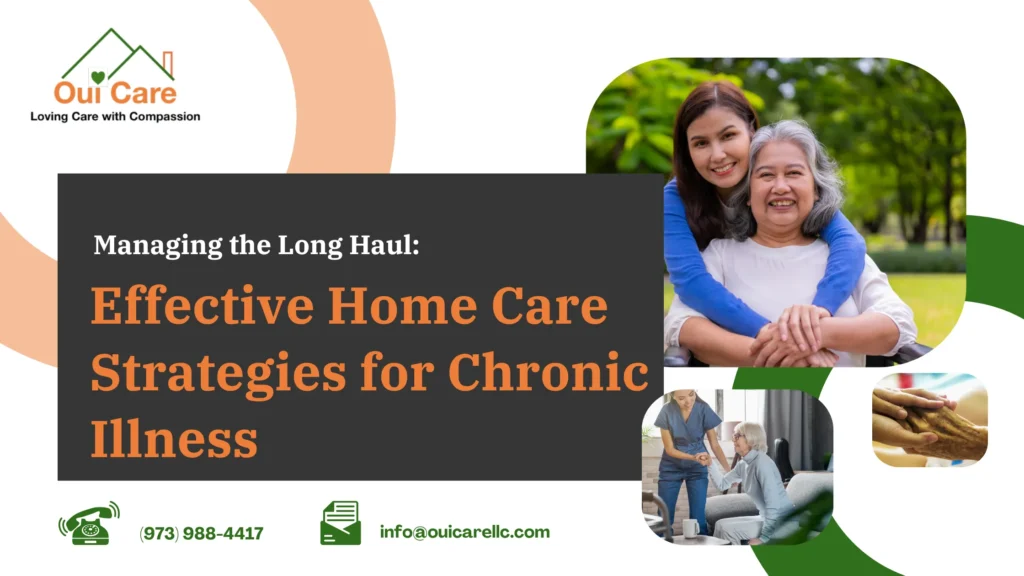
Living with a chronic illness is never a one-time event. It’s a lifelong adjustment that touches every corner of daily life. Whether your loved one is managing COPD, heart disease, diabetes, or arthritis, home care requires more than basic assistance. It demands consistency, attention, and compassion.
And yet, many families feel overwhelmed trying to figure it out on their own.
The good news? You don’t have to. With the right support and strategy, you can help your loved one live with comfort, dignity, and stability.
Chronic Conditions at Home: What’s Really Involved?
Chronic illnesses don’t follow a straight line. They evolve, intensify, and often come with emotional and physical burdens. That’s why it’s essential to understand the full scope of care early on.
Common responsibilities you may already be juggling include:
- Managing medication times and side effects
- Helping with mobility and fall prevention
- Coordinating multiple specialists and appointments
- Addressing mental health changes like anxiety or withdrawal
These challenges aren’t small. But they are manageable with the right care framework.
Creating a Home Health Plan That’s Actually Personalized
Every person experiences chronic illness differently. That means no two care plans should look alike.
To get started, focus on three core areas:
- Medical care: Medication assistance, wound monitoring, or injections
- Functional needs: Daily help with hygiene, grooming, meals, or transfers
- Emotional wellness: Companionship, cognitive stimulation, and mood support
The most effective home care strategies for chronic illness begin with a professional in-home assessment.
Explore personalized chronic illness care tailored to meet your family’s specific situation.
Why Physical, Occupational, and Speech Therapies Matter
For individuals living with long-term conditions, therapy is about more than recovery. It’s about maintaining independence and mobility.
Key therapeutic supports include:
- Physical Therapy (PT): Improves movement, reduces pain, and preserves strength
- Occupational Therapy (OT): Offers techniques to safely handle daily activities like bathing or dressing
- Speech Therapy (ST): Assists with communication, memory, and swallowing challenges
Together, these services can reduce hospital visits and boost daily functioning. Learn more about home therapy solutions that meet chronic needs head-on.
Daily Care You Can Count On: The Value of Reliable Support
Consistency makes a difference, especially when managing a chronic condition. Unfortunately, many families deal with rotating caregivers or incomplete communication.
Professional services like Private Duty Nursing (PDN) and Home Health Aide support bring:
- Familiar caregivers who understand specific needs
- Early detection of health changes
- Better coordination with physicians and specialists
Looking for peace of mind? Get reliable care at home with providers who prioritize stability and trust.
Spot Issues Early Before They Become Crises
Managing chronic illness at home also means staying alert to subtle warning signs.
Watch out for:
- Fatigue that worsens suddenly
- Noticeable mood swings or depression
- Swelling in legs or arms
- Short-term memory issues
- Shortness of breath during normal activities
Logging symptoms, scheduling regular check-ins, and keeping providers in the loop helps prevent ER visits and setbacks.
Don’t Forget About You: Family Caregivers Need Care, Too
If you’re a caregiver, you’re likely giving your all, but at a cost.
Without proper rest, burnout sets in. That’s why respite care and emotional support services are not luxuries. They’re necessities.
Professional help offers:
- Temporary coverage so you can rest
- Mental health resources and counseling
- Ongoing education on chronic illness care
Need a breather? Support is available so you can recharge and stay strong for the long haul.
Boosting Care with Smart Tech and Tools
Technology can take pressure off caregivers while keeping health on track. Try adding:
- Mobile apps for medication reminders
- Smart devices for vitals monitoring
- Video check-ins with nurses or therapists
- Digital calendars for coordinated scheduling
These tools don’t replace human touch, but they improve response times and accuracy. Integrating tech into daily routines also gives loved ones a sense of control.
Healing Happens at Home: Why Environment Matters
The setting where care is delivered affects how your loved one feels and heals.
Benefits of in-home care include:
- Lower risk of infection compared to hospitals or facilities
- Tailored attention in a comfortable space
- Dignity, privacy, and a better emotional state
Families across New Jersey are choosing trusted providers like this top-rated home care agency in Paterson, NJ for expert chronic care at home.
A Final Word: Sustainable Care Begins With the Right Help
You don’t have to manage chronic illness alone, and you shouldn’t.
The best home care strategies for chronic illness aren’t built in a day. They’re crafted through trust, expertise, and consistency. When care is structured and supported, it becomes less about just getting through and more about actually living well.
Need to speak with someone now? Call (973) 988‑4417 to discuss your home care needs and get matched with the right services today.
Or, explore expert chronic care services such as:
- Home Health Aides
- Private Duty Nursing
- Physical and Occupational Therapies
Quality of life doesn’t have to fade. With the right team by your side, you and your loved one can manage the long haul one day at a time.