
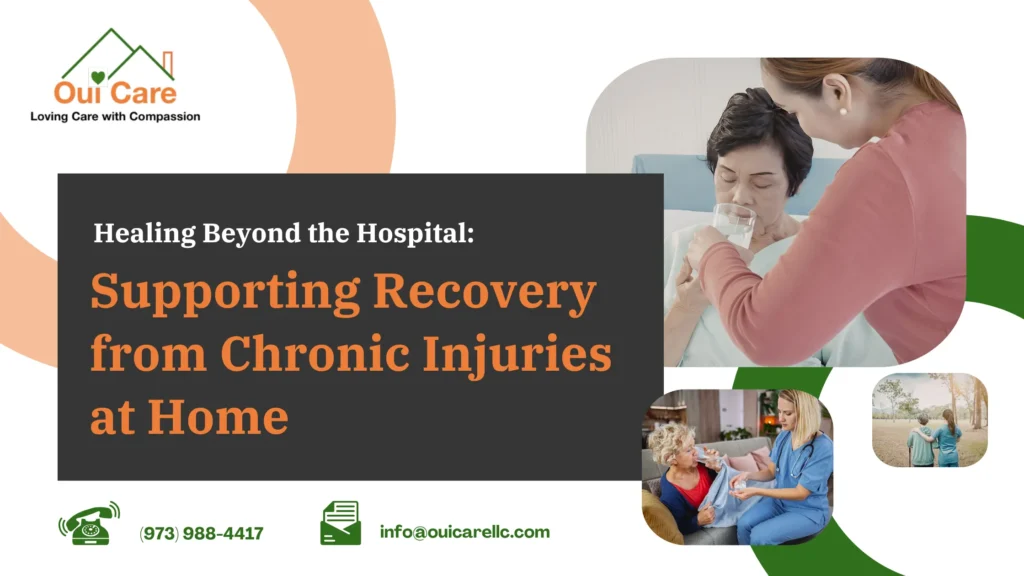
Recovering from chronic injuries is rarely a straight line. You may leave the hospital feeling hopeful, yet once you walk through your front door, reality sets in. The routines, challenges, and adjustments waiting for you at home often shape your progress more than the clinical treatments you have already completed. This is why your recovery from chronic injuries depends so heavily on what you do daily, who supports you, and how consistent you remain.
Understanding What Chronic Injuries Mean for Daily Life
Chronic injuries persist in your routines long after initial hospital treatment. They affect your mobility, flexibility, work habits, and even the simplest movements. Because these challenges follow you into your everyday life, much of your recovery from chronic injuries must happen at home.
You may notice discomfort during basic tasks, stiffness in the morning, or unexpected flare-ups. These moments can feel discouraging, especially if you try to manage everything on your own. This is where ongoing home health care becomes valuable. Services such as Care for Chronic Illnesses and Injuries can guide you, monitor progress, and help you avoid actions that might worsen your condition.
How Your Home Environment Shapes Long-Term Healing
Most people underestimate how much their home environment influences healing. Your space affects how safely you move, how comfortably you rest, and how regularly you follow supportive routines. Since home is where most of your recovery takes place, organizing it with purpose helps you stay consistent.
Clear walking paths, well-lit areas, and reduced clutter reduce your risk of falls or strain. Familiar surroundings increase comfort and reduce stress. For structured help, visit the client website to access their services, including Home Health Care Aide, Private Duty Nursing, Physical Therapy, Occupational Therapy, and Speech Therapy. These services bring professional support directly to your home, often leading to steadier progress.
Building a Support Network That Helps You Stay Consistent
Recovering from chronic injuries often requires more than motivation. It requires support. A dependable care network encourages regular routines, safer movement, and emotional stability. Friends and family may assist, but professional caregivers bring clarity and consistency.
Home Health Care Aide services assist with everyday tasks, such as grooming and mobility support. Private Duty Nursing (PDN) provides skilled medical care, especially important if you require medications, wound care, or safety assistance. With the right people around you, your recovery feels less overwhelming and more manageable.
Therapeutic Options at Home That Strengthen Your Recovery
Therapies performed at home are one of the most effective ways to rebuild strength and regain independence. When your care team comes to you, you save energy, avoid travel strain, and stay more committed to your routine.
Physical Therapy (PT)
You work on strength, mobility, balance, and safe movement patterns. Because sessions take place at home, exercises are tailored to your daily environment.
Occupational Therapy (OT)
OT helps you perform daily tasks, such as dressing, cooking, reaching, bending, and gripping objects. These skills directly support your recovery from chronic injuries by teaching you safer, easier methods.
Speech Therapy (ST)
For communication or swallowing challenges, at-home sessions reduce pressure and allow you to practice in a comfortable setting where progress comes more naturally.
Together, these therapy services create a well-rounded support system that encourages long-term improvement.
Approaches That Help You Manage Pain and Ongoing Fatigue
Pain and fatigue are often unpredictable, making daily routines difficult. However, steady management helps you stay active without overextending yourself.
Start with simple strategies such as task pacing, regular stretching, planned rest times, and posture adjustments. Many people benefit from heat or cold therapy, mindful breathing, and guided exercises. Under Care for Chronic Illnesses and Injuries, professionals help you develop pain-relief habits that fit your lifestyle and recovery goals.
By applying these approaches consistently, you reduce flare-ups and gain greater control over your day.
Daily Habits That Support Your Long-Term Recovery
Recovery happens through repetition. Building small, steady routines makes a noticeable difference. Consider adding habits such as:
- Light movement soon after waking
- Midday mobility exercises
- Safe household tasks that encourage motion
- Consistent sleep and hydration routines
- Scheduled breaks to prevent fatigue
These habits keep your body active without strain. They also help you stay focused, which speeds up your recovery from chronic injuries.
When It Is Time to Reach Out for Additional Support
There may be moments when pain increases or when daily tasks feel harder. Instead of pushing through, consider whether additional support would help. Chronic injuries often require professional monitoring to ensure safe and steady improvement.
Services such as Private Duty Nursing, Home Health Care Aide support, and therapy-based care can help you maintain progress, avoid complications, and stay confident throughout your recovery.
Finding the Right Home Care Team for Your Needs
Choosing the right provider makes a difference in your experience. Look for caregivers who understand chronic injuries, offer personalized treatment plans, communicate clearly, and provide services that match your goals. A supportive team makes the healing process smoother, safer, and less stressful.
If you want to confirm the provider’s location, hours, or directions, you can view their listing here:
home health care location
Final Thoughts: Moving Forward One Day at a Time
Recovery from chronic injuries progresses slowly, but every small win matters. By improving your daily environment, building supportive routines, and working with qualified professionals, you give yourself the best chance at long-term progress. Healing at home allows you to grow stronger in familiar surroundings where you feel safe and supported.
If you want guided, structured care, you can explore the full range of available services and choose the support that fits your goals and needs.
Quick FAQs to Improve Clarity and Search Visibility
How long does recovery from chronic injuries usually take
It varies by condition, age, and consistency. Many people see steady improvements with regular home-based care.
Are home therapy services as effective as clinic sessions?
Yes. In many cases, home sessions are even more effective because they focus on daily movements.
What signs show that I need more support at home
Increased pain, difficulty completing tasks, safety concerns, or slower-than-expected progress are common indicators.